Stamped Concrete Help for Patios and Walkways
Compare quotes from local providers
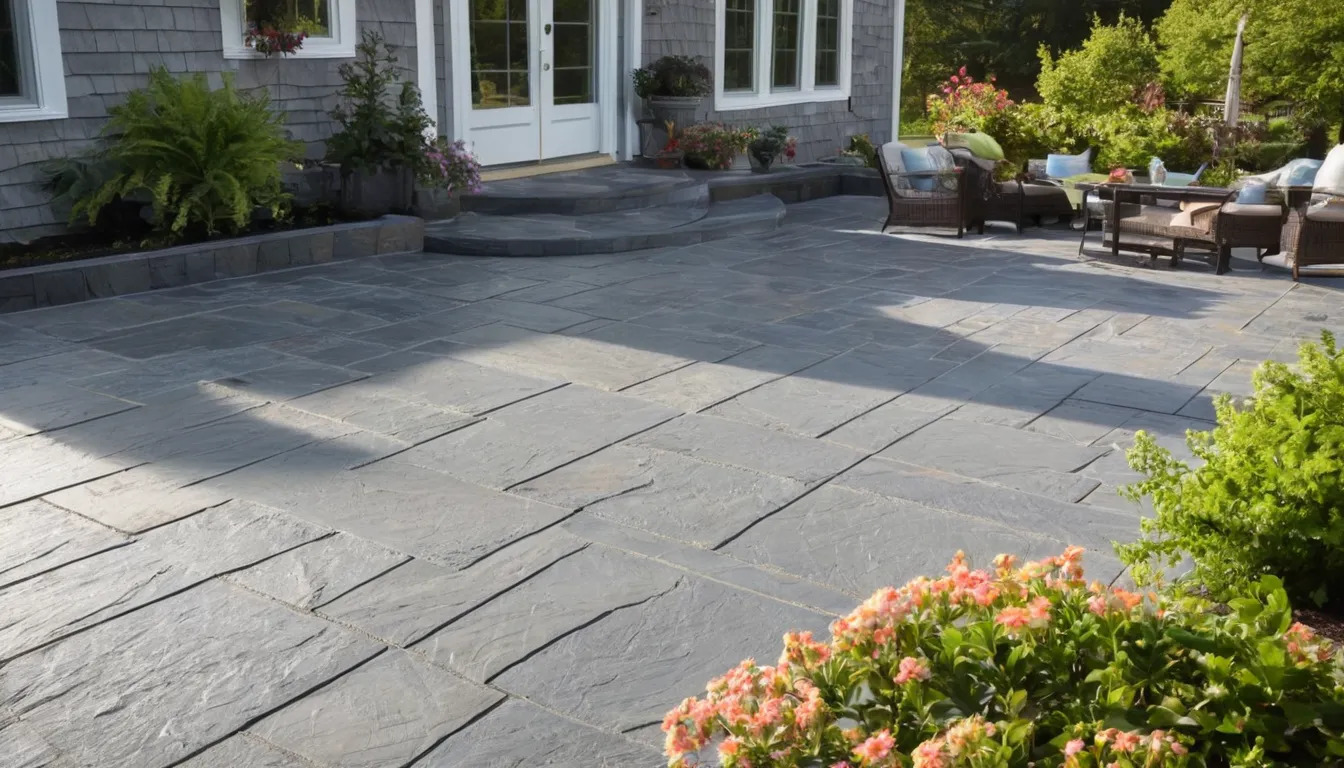
Stamped concrete gives a poured slab the look of stone, brick or slate. It can turn a plain yard into a space you want to use. It also has a short working window on pour day, so good planning matters more than most people expect.
Aitells Concrete is a referral service. We do not pour or finish concrete. We connect homeowners with independent local providers in our network, then step back. You talk price, schedule and scope with the provider directly. This page explains how the work is done, what drives the cost and how to compare written quotes before you sign anything.
Thinking about stamped concrete?
Stamped concrete is a poured slab pressed with mats and tinted so it looks like stone, brick or slate. It is a one-shot process. Pattern, color and sealer must be settled before the truck shows up. This page covers new work only.
Who does what
Aitells Concrete is a referral service. Providers do the work. We introduce you to independent local providers in our network, and you settle price, schedule and contract with the provider directly.
Lock in these choices first
The stamping step cannot be redone later, so decide early:
- Pattern and texture
- Base color and accent color
- Sealer finish, matte or gloss
- Exact size and shape of the slab
- Where rain and meltwater should drain
Write them down. A clear list makes quotes much easier to compare.
Why pour day is tight
Once concrete is placed, the surface stays workable for a limited time. The crew has to add color, apply a release agent and stamp it before it firms up. A rushed or understaffed pour shows in the finished pattern. Ask each provider how many people will be on site.
Watch the weather window
Cold, snowy winters shorten the pouring season in many regions. Fresh concrete can be harmed by frost, heavy rain or extreme heat. Booking early in spring gives you more choice. Many providers stop pouring once nights turn cold.
How stamped concrete is made
The steps run in a set order.
- Dig out and compact a gravel base
- Set forms and add rebar or mesh
- Pour and level the concrete
- Add color, then a release agent
- Press the stamp mats by hand
- Cut control joints once it hardens
- Clean and seal the surface
Why the base matters
Older housing stock often sits on uneven or poorly draining soil. Repeated frost and thaw cycles push on weak bases and cause cracks. A well-compacted base costs a little more up front and saves trouble later. Ask what depth of gravel is planned.
Popular patterns and colors
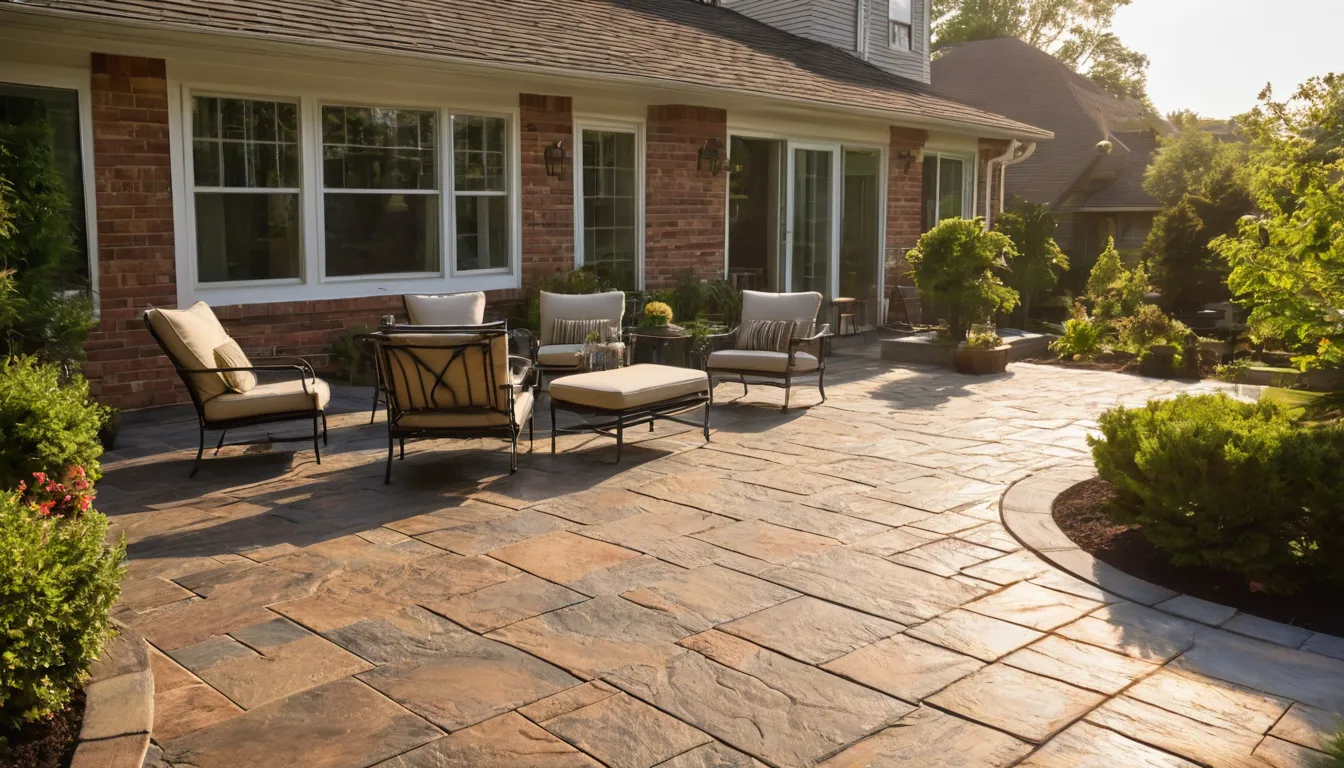
Ashlar slate, random stone, brick herringbone and wood plank are common picks. Earth tones such as tan, gray and charcoal hide dirt and suit most siding. Older Cape Cod style homes often pair well with soft brick or muted stone. Ask to see sample boards in daylight, since colors shift outdoors.
Where it works well
Stamped concrete patios are a very common use. It also suits walkways, pool decks, porch landings and some driveways. It is a form of concrete flatwork, so slope and drainage matter as much as the look. Steps and tight curves take extra labor.
Stamped concrete vs. pavers
Pavers are laid piece by piece. Stamped concrete is one slab. Pavers can be lifted and reset if the ground shifts. A slab can crack, but it has no joints for weeds to grow through. Upfront price is often lower for stamped work, though it varies. Think about repair access too.
What drives the price
Size comes first. Then come pattern detail, number of colors, borders, removal of an old slab and site access. Sealer adds cost now and again later. Compare written quotes line by line, not just the total.
Plan around daily life
A pour day is noisy and can block access. Tell providers about school runs, pets and work schedules. Ask where trucks will park and how you will get in and out of the house. Keep kids and pets off the surface until the provider says it is safe.
How long the job takes
Most small patios need a few days of active work, plus time for curing. Prep and forming come first, then the pour. Light foot traffic often waits a couple of days, and heavy loads wait longer. Sealing usually comes after the slab has cured. Weather can stretch the schedule.
Caring for stamped concrete
Sweep often and rinse with a hose. Use mild soap on stains. Avoid harsh de-icing salts, which can wear the surface in snowy climates. Plan to reseal every few years, and ask your provider for a schedule. Use a plastic shovel instead of a metal one.
Choosing a provider
Ask for photos of finished stamped work, not only plain slabs. Ask about base depth, joint layout and sealer type. Ask whether the provider carries liability insurance and any license your area requires. Get scope, price and payment schedule in writing.
What this page does not cover
This page is about new stamped work. If you need concrete driveway repair, or foundation repair experts for cracked walls, that is a different job. Say so plainly when you request an estimate, so you are matched with the right kind of provider.
Request a callback to check provider availability in your area.
What's Included
Pattern Choices
Providers can walk you through stone, brick and slate looks and show sample boards before you decide.
Color and Sealer Planning
Settle base color, accents and sealer finish early so every quote covers the same things.
Site Prep Basics
Base depth, forms, drainage and old slab removal are explained so you know what each line covers.
Written Quote Review
Compare scope, materials and payment terms side by side before you choose a provider.
What Stamped Concrete Typically Costs
Prices vary by size, pattern, site access and local labor rates. These are typical U.S. ranges only. Always get a written quote that lists materials, prep, sealing and cleanup.
| Item | Typical range | Notes |
|---|---|---|
| Stamped concrete slab | $12 – $20 per sq ft | Includes pour, color and stamping |
| Plain broom-finish slab | $6 – $12 per sq ft | Useful as a price comparison |
| Old slab removal | $2 – $6 per sq ft | Depends on thickness and access |
| Base prep and grading | $1 – $4 per sq ft | Poor soil or drainage adds cost |
| Borders and accent colors | $2 – $6 per sq ft | More detail means more labor |
| Sealer and resealing | $1 – $3 per sq ft | Needed every few years |
How It Works
Share Your Plans
Tell us the size, the look you want and any timing needs for your household.
Get Matched With Providers
You are introduced to independent local providers who handle stamped concrete projects.
Compare Written Quotes
Review scope, materials, sealer and payment terms side by side before choosing.
Schedule Around Daily Life
Work out access, parking and pour timing directly with your chosen provider.
Why Call Aitells Concrete
Clear Referral Model Upfront
We introduce you to providers. They do the work and handle your contract.
Plain Pricing
We explain what drives costs so quotes make sense to you.
Local Providers
Independent providers in our network know your area's weather and soil.
Busy Households
Plan around daily life, from parking to pour day noise.
Other Services
Need stamped concrete help in West Mifflin?
Tell us about your driveway or patio plans. Request a callback or send a request, and a local provider in our network can follow up with details.
No obligationStamped Concrete Help FAQ
How much does a stamped concrete patio cost?
Typical U.S. prices run roughly $12 to $20 per square foot, but size, pattern detail, prep and local labor change the total. Compare written quotes that break out each part of the job.
Does stamped concrete crack in cold, snowy climates?
Any slab can crack when frost and thaw cycles move the ground. A compacted gravel base, proper control joints and regular sealing lower the risk. Ask each provider how they handle drainage, base depth and joint layout.
Is stamped concrete cheaper than pavers?
Often the upfront price is lower for stamped concrete, but it depends on pattern, size and site. Pavers can be reset if the ground shifts. Compare written quotes for both before you decide.
Request a callback
Tell us about your driveway or patio plans. Request a callback or send a request, and a local provider in our network can follow up with details.
No obligation