Home Concrete Driveways: Replacement Help for Homeowners
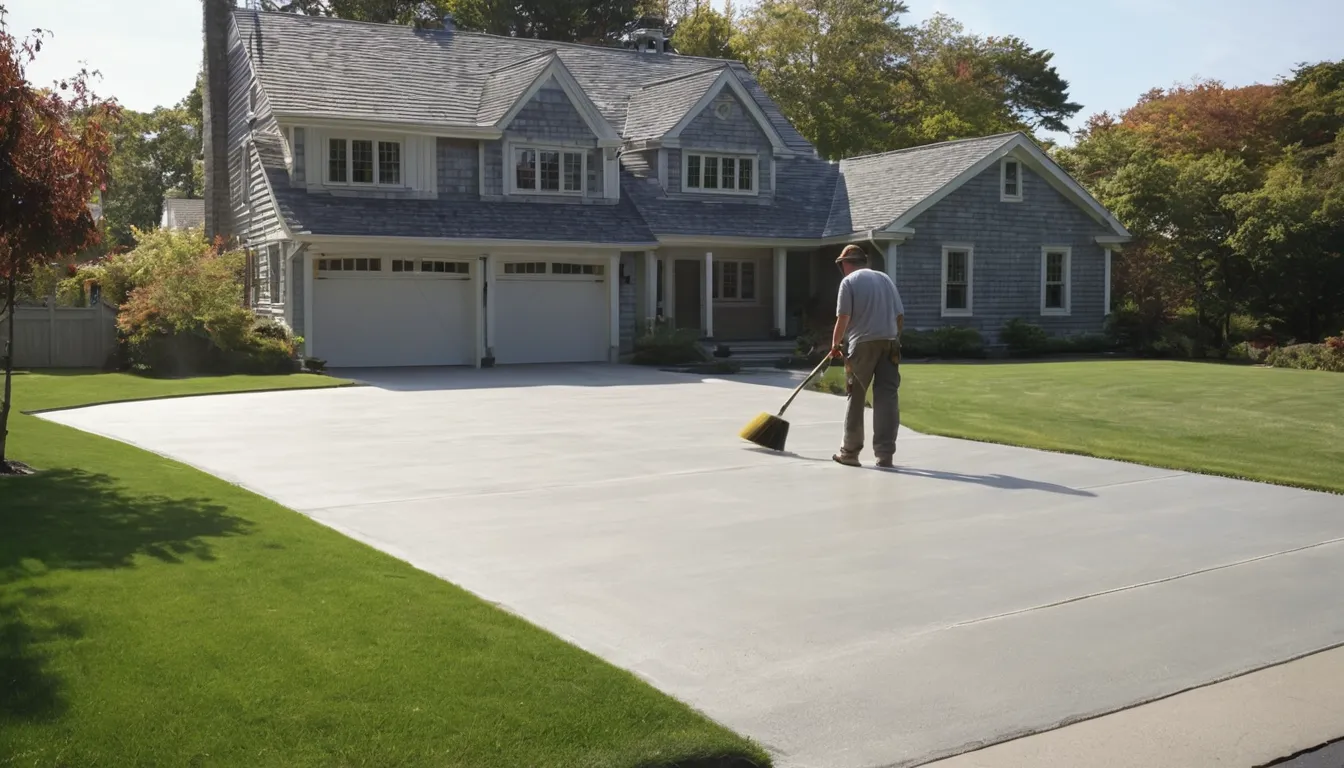
A new driveway is one of the bigger flatwork jobs a homeowner will pay for. The price moves with size, thickness, site prep and finish. Knowing those drivers helps you read a quote with confidence.
Aitells Concrete is a referral service. We do not pour or finish concrete. We connect you with independent providers in our network who do the work, and they set their own prices and schedules. This page explains what a new driveway involves, what shapes the cost, and how to plan the job around a busy household in West Mifflin.
Start Here: Patch It or Replace It?
Most people land on this page with a cracked, sunken or crumbling driveway. The first question is simple. Can it be fixed, or is it done?
A few hairline cracks are normal. Wide gaps, uneven slabs and flaking surfaces are different. They point to a bigger problem under or inside the concrete.
Signs That Should Not Wait
Some problems are safety issues. Handle these first.
- Slabs that have lifted or dropped, leaving a lip you can trip on
- Pooling water that runs toward the house instead of away
- Deep cracks that keep widening each season
- Crumbling edges where a car tire sits
Why Cold Climates Are Hard on Concrete
Water gets into small cracks, freezes and expands. Then it thaws and does it again. After a few winters, a small crack becomes a big one. De-icing salt and heavy snow loads speed this up. Older driveways in our region often lack the base and drainage that would have slowed the damage.
Water Near the Foundation
If a driveway slopes toward a stone or block foundation, the water has to go somewhere. Cracks that run along the house wall deserve a closer look. Ask a foundation repair expert to check the wall itself. A new driveway can fix the slope, but it will not fix a damaged foundation.
When Concrete Driveway Repair Still Makes Sense
Patching can work when the slab is mostly sound. Think of a few narrow cracks, one chipped corner or a surface that just needs sealing. It costs less and the job is quick.
But if more than a third of the surface is cracked or sunken, patches add up. At that point a new pour is often the smarter spend. A provider can look at the base and tell you which way the numbers lean.
What a New Driveway Project Includes
The scope varies, but most jobs follow the same path.
- Demolition and haul-away of the old slab
- Regrading and a compacted gravel base
- Forms, reinforcement and control joints
- The pour, finishing and curing
- Cleanup of the work area
Demolition and base work often cost more than people expect. Ask that each be listed as its own line.
Size and Layout
Price scales with square footage, so measure before you ask for quotes. A single-car strip costs far less than a wide two-car pad with a turnaround. Trim a few feet where you can. Keep enough width to open car doors without stepping onto the lawn.
Thickness and Strength
Most home driveways are poured around four inches thick. Heavier vehicles, like trucks or delivery vans, may call for five or six. Steel rebar or wire mesh helps hold cracks tight. A thicker slab on a poor base still fails, so the base matters as much as the depth.
Choosing a Finish
A broom finish is the common pick. It gives grip in wet or icy weather and costs the least. Exposed aggregate and colored concrete cost more. Decorative stamping is a separate topic, covered on its own page. For a driveway, grip and durability usually beat looks.
Permits and the Street Apron
The apron is the section where your driveway meets the road. In many towns it sits in public right-of-way. Rules on width, slope and materials may apply, and a permit may be needed. Some towns inspect the forms before the pour.
Ask each provider who pulls the permit and whether the fee is in the quote. Check with your local building office for the rules where you live.
Plan Around Daily Life
A driveway is out of use for days. New concrete needs time to cure before cars can drive on it. Plan where everyone will park. Think about school runs, work shifts and trash day.
Tell providers your constraints up front. Some will schedule around them. Spring through fall is the usual window, since cold weather affects curing.
How to Compare Written Quotes
Get at least three, and make sure they cover the same scope. A low number may leave out demolition, base work or permits. Line them up side by side:
- Square footage and thickness
- Base depth and reinforcement
- Demolition and disposal
- Permit and apron work
- Start window and payment terms
Compare written quotes, not verbal ones. Providers do the work, so the quote is your record of what was promised.
Questions to Ask a Provider
Ask about their experience with freeze-thaw conditions. Ask how they handle drainage and where the water will go. Ask if they carry insurance and for how long the work is warranted in writing. Verify any license your area requires directly with the issuing office.
How the Referral Works
Aitells Concrete is not a contractor. When you request an estimate or call, we pass your project details to an independent provider in our network. That provider contacts you, visits the site and sends a quote. You choose whether to hire them. There is no obligation.
After the Pour
Keep cars and heavy loads off the slab until the provider says it is ready. Keep water and de-icer off during the first winter if you can. Sealing the surface after it cures can help it resist salt. Ask the provider for care tips in writing.
What's Included
Old Slab Removal and Haul-Away
Providers break up the worn driveway and take the debris away, so the site is ready for new work.
Grading and Gravel Base
A compacted base and proper slope help water drain away and slow frost damage.
Forms and Reinforcement
Forms set the shape, while rebar or mesh helps hold the slab together.
Pour, Finish and Curing
The concrete is placed, smoothed and left to cure before cars drive on it.
What Drives New Driveway Pricing
These are typical U.S. ranges for concrete flatwork. Your price will vary by site, size and finish, so always get a written quote.
| Item | Typical range | Notes |
|---|---|---|
| Standard concrete, per sq ft | $6 – $12 | Basic broom finish, average site |
| Two-car driveway, total | $3,500 – $8,000 | Depends on size and thickness |
| Old slab removal | $1,000 – $3,000 | Higher with thick or reinforced concrete |
| Base and regrading | $500 – $2,500 | Costs rise on sloped or soft ground |
| Permit and apron work | $100 – $1,500 | Rules and fees vary by town |
| Decorative finish upgrade | $2 – $8 more per sq ft | Color or exposed aggregate adds cost |
How It Works
Share Your Plans
Tell us the size, the current condition and any dates that matter to your household.
Get Matched With Providers
A provider in our network reaches out to discuss the job and book a site visit.
Compare Written Quotes
Review scope, materials, permits and timing side by side before you decide.
Choose and Schedule
Pick the provider you trust and set a start date that fits your routine.
Why Call Aitells Concrete
Clear Referral Model
We explain up front that independent providers do the work and we only make the introduction.
Price Focus
We point out what moves a quote, so you can judge offers on more than the bottom line.
Quote Comparison
We encourage written quotes from several providers so you can compare scope, not just price.
Household Fit
Tell providers about school runs and work hours, and plan the job around daily life.
Other Services
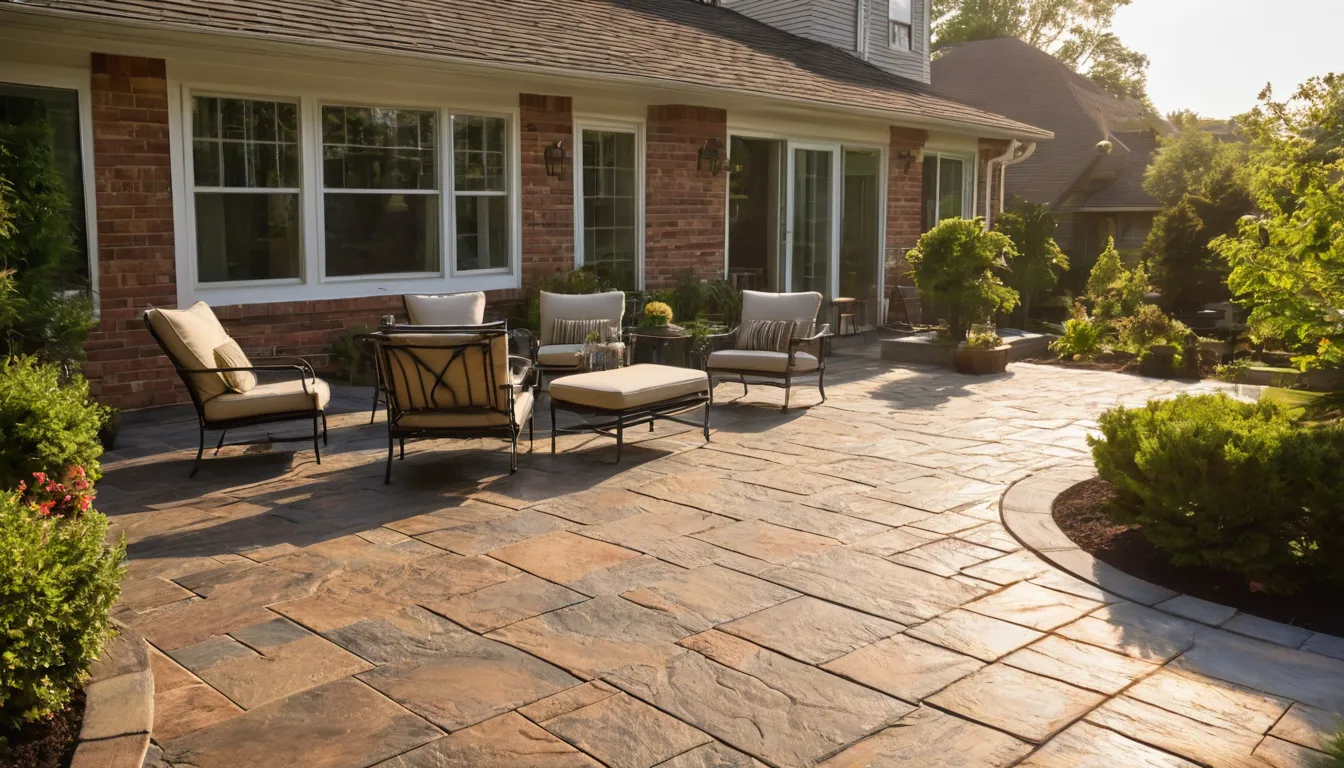
Need home concrete driveways in West Mifflin?
Tell us about your driveway or patio plans. Request a callback or send a request, and a local provider in our network can follow up with details.
No obligationHome Concrete Driveways FAQ
How much does a new concrete driveway cost?
Typical U.S. prices run about $6 to $12 per square foot, so a two-car driveway often lands between $3,500 and $8,000. Demolition, base work and permits can change that, so get written quotes.
How long does a concrete driveway last?
Many well-built concrete driveways last 25 to 30 years or more. Cold winters, de-icing salt and poor drainage can shorten that. A solid base, proper thickness and sealing all help the slab hold up.
How long before I can drive on a new concrete driveway?
Foot traffic is often fine after a day or two, but cars usually wait about a week. Heavy trucks may need longer. Your provider will give you a timeline based on the mix and weather.
Request a callback
Tell us about your driveway or patio plans. Request a callback or send a request, and a local provider in our network can follow up with details.
No obligation